

A Real Business, Not A Side Hustle
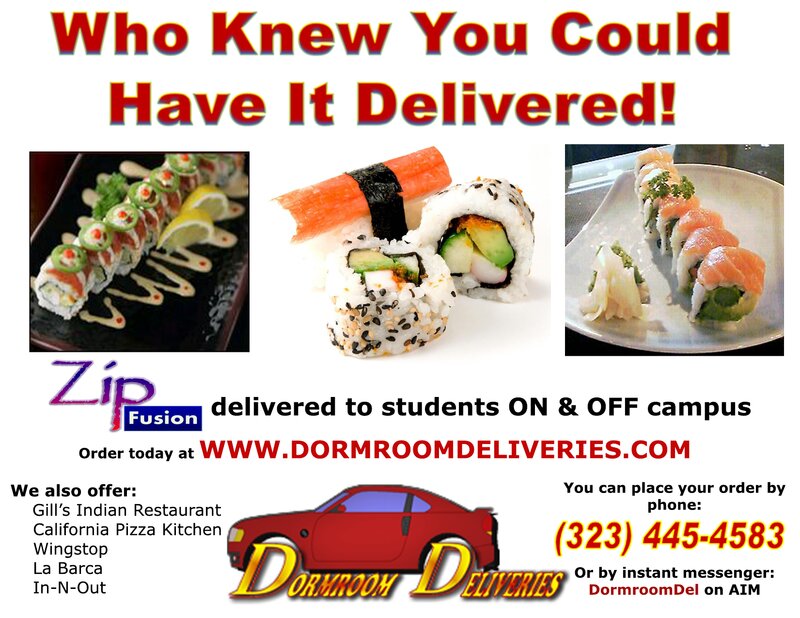
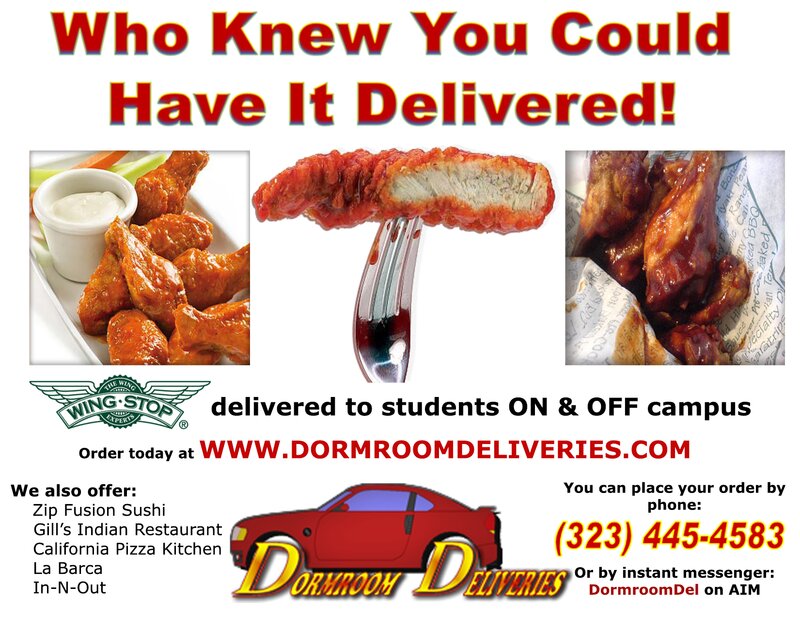
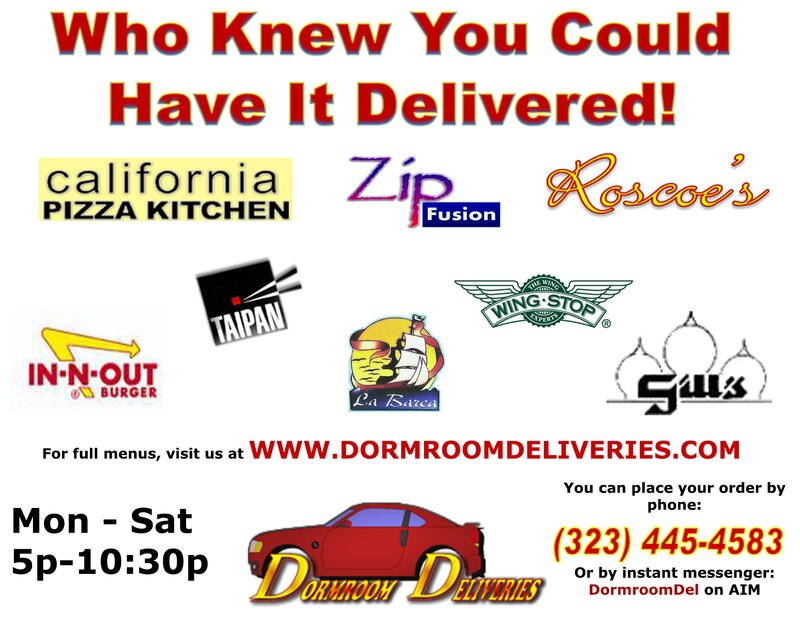
This was an LLC with QuickBooks accounting going back to 2006, signed Commission Agreement contracts with restaurants ("PARTY A retains PARTY B for non-exclusive marketing agent services with daily compensation as a percentage of net sales"), W2 driver payroll with timesheets, photo ID badges I personally produced, weekly driver schedules with rotation rules, and a custom-coded HTML website with manual order forms and category-specific menu pages for each restaurant. I operated this as the sole founder while in college at USC.
The category did not exist as a venture-funded platform yet. DoorDash launched in 2013. Postmates in 2011. Uber Eats in 2014. I operated the same restaurant delivery model from 2006 to 2009 using AOL Instant Messenger as the order channel because the platform infrastructure had not been invented. The pattern recognition is the proof point. The thesis was correct. I just had to produce the operating system manually until the platforms caught up.
Pre-Platform Timeline. 5 to 8 Years Before The Mainstream
The food delivery category as a venture-funded platform did not exist until well after MDM Enterprises had operated for 3 years.
Operating Infrastructure
The full small-business operating layer. Each artifact was real. Files still archived from the operating period.
Pricing Strategy. Penetration Pricing Before SaaS Made It A Concept
Same direction-aware pricing thinking that now shows up at Saka One Keppa. Launch at a price that drives trial. Reprice down as efficiency improves.
Order Volume Trajectory. Jan to Feb 2009
Verbatim from the Order Trends tracking workbook. Each week shows day-of-week breakdown. Saturday peaks driven by sorority and student housing demand.
Strategic Document Authorship At Age 22
End of 2008. Zip Fusion was a key restaurant partner. I authored a 6-slide year-end performance report for them covering Service Performance (avg sales $612.58, peak $806.50, MTD $671.55, total orders 64 = 10% of total DD orders, average sale per delivery $28.55), Market Analysis (Sororities 74%, Underclassmen 20%, popular items, order frequency patterns), Integrated Marketing Strategy (direct marketing, on-campus promotion, sorority outreach, RA endorsements, promotional concepts), Public Relations Events (campus tabling, student event co-sponsorship), Expansion Plans (Mt. St. Mary's College induction targeting 2,400 students, 69% on campus), and Growth Opportunities With Zip Fusion (downtown delivery launch, online ordering system, branding materials).
This document is the structural twin of every strategy doc I have authored since. Service Performance plus Market Analysis plus Strategy plus Expansion plus Growth Opportunities. Same six-section pattern as the Amazon Tentpole 2024 Post Mortem and 2025 Strategy doc. The skill was operational at age 22.
The Pattern. Then and Now.
The pricing strategy, the partnership architecture, the modular menu integration, the multi-channel order intake, the year-end strategic report authorship, and the expansion roadmapping. All are operational patterns that show up across my career. The Saka One Keppa launch pricing thinking (designed inverse pricing model with downward repricing as efficiency improves) is the same penetration pricing logic from Dormroom Deliveries ($3.99 vs $5.99-$8.99 industry rate at the time). The partner strategy doc authorship at Amazon is the same skill that produced the Zip Fusion year-end report. The pre-platform pattern recognition is the foundational story.
What The Business Produced
Within 3 years of founding. Operated as a registered LLC with QuickBooks-tracked finances throughout.
10% repeat-customer share. Average $28.55 per delivery.
Captured through partnership architecture, multi-channel order intake, and word-of-mouth marketing.
Including Pitfire Pizza, Salad Farm, Zip Fusion (signed Commission Agreements). Plus menu integrations with national chains.
The Founder Pattern Was Established At Age 22
Most operator-track candidates have to argue for founder potential. This case is the receipt. A registered LLC. QuickBooks accounting. Signed Commission Agreement contracts. W2 payroll for a 7 to 11 person driver fleet. Custom-coded multi-channel order intake. Year-end strategic partnership reports authored. Penetration pricing strategy modeled against industry rates. Multi-campus expansion roadmap drafted. All produced solo while in college, 5 to 8 years before the mainstream platforms validated the category.
The capability that operates Saka One today (Keppa, BUILD Coach, Project Bridge, CRE Deal Scenario Platform) is the same capability that operated Dormroom Deliveries from 2006 to 2009. The tooling has changed. The pattern has not.